
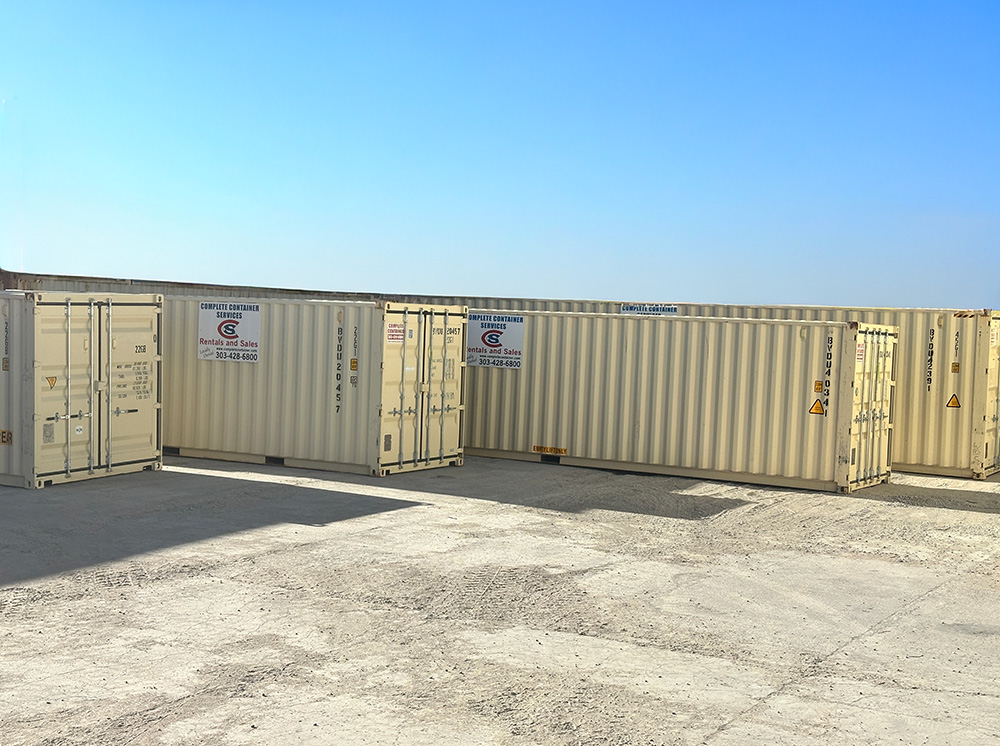
Choosing between a 20-ft and 40-ft shipping container can be difficult when both options seem suitable for your storage needs. The right choice depends on what you plan to store, how much space is available at your property, how often you need access, and how long you expect to use the container.
When comparing a 20ft vs 40ft shipping container, it helps to look beyond the difference in length. Both sizes offer practical storage solutions, but each works better for different projects. If you’re exploring storage container rental in Denver, understanding their differences can help you choose the right option. This guide explains their sizes, costs, and uses so you can decide on the best container size for storage.
20ft vs. 40ft Storage Containers: Understanding the Difference
The most noticeable difference between these two containers is their length and overall storage capacity.
A standard 20-foot container is approximately 20 feet long, 8 feet wide, and 8 feet 6 inches high. A standard 40-foot container has a similar width and height but is approximately twice as long.
Here is a simple comparison:
| Feature | 20ft Container | 40ft Container |
|---|---|---|
| Length | Around 20 feet | Around 40 feet |
| Width | Around 8 feet | Around 8 feet |
| Height | Around 8 feet 6 inches | Around 8 feet 6 inches |
| Storage capacity | Suitable for moderate storage | Suitable for larger storage needs |
| Space required | Less placement space | More placement space |
| Common uses | Household items, tools, equipment | Business inventory, materials, large equipment |
Actual usable space can vary depending on the container model and interior dimensions.
When Should You Choose a 20ft Storage Container?
A 20-foot container is a practical option when you need extra storage but don’t need a lot of space. It offers room for many common household and business storage needs while taking up less space than a 40-foot unit.
Common Uses for a 20ft Container
A 20-foot container may be suitable for:
- Home renovations: Store furniture, appliances, and household belongings while work is underway.
- Construction projects: Keep tools, supplies, and building materials in one place.
- Small businesses: Store products, packaging materials, and extra inventory.
- Moving and relocation: Keep belongings in a secure, accessible location during a move.
- Seasonal storage: Store equipment, supplies, and items you don’t need year-round.
A 20-foot unit may also be easier to accommodate on properties with limited placement space. However, the delivery truck still needs enough room to access and position it.
If this size seems suitable, read our guide to 20ft storage container rental cost to understand the factors that influence its rental price.
When Is a 40ft Storage Container the Better Choice?
A 40-foot container is designed for projects that require considerably more storage space. It can be useful when a smaller unit would become crowded or when you need to store larger quantities of materials and equipment.
Common Uses for a 40ft Container
A 40-foot container may work well for:
- Large construction projects: Store building materials, equipment, and supplies.
- Business inventory: Keep larger quantities of products and stock in one location.
- Warehouse overflow: Create additional storage space when existing facilities are full.
- Commercial operations: Store tools, machinery, and other business materials.
- Large moves: Accommodate more household belongings during relocation or renovation.
The additional length can make a significant difference when you have bulky items or a large inventory. However, you should also consider whether your property has enough room for placement and access.
For more pricing information, explore our guide to 40ft container rental cost.
Which Container Size Is More Cost-Effective?
The cheapest option is not always the one with the lowest monthly rental price. You should consider how much usable space you need and whether the container will comfortably hold everything you plan to store.
A 20-foot container may be more economical if your belongings, equipment, or inventory fit comfortably inside it. Renting a 40-foot container when you only need half the space may result in unnecessary rental expenses.
On the other hand, if your storage needs are larger, choosing a 40-foot container from the beginning may be more practical than renting a smaller unit and later arranging an upgrade.
Before deciding, compare the average storage container rental cost Denver and review the factors that affect monthly container rental cost.
Remember to ask whether delivery, pickup, and other services are included in the quoted price.
What Should You Consider Before Choosing a Container Size?
Container dimensions are important, but they are not the only factors that should influence your decision.
1. Amount of Storage Needed
Make a list of the items you plan to store. Consider their size, quantity, and whether they can be stacked safely. This will give you a clearer idea of the space required.
2. Available Placement Space
Measure the area where you want the container placed. Remember that the delivery truck also needs enough room to enter, maneuver, and position the unit.
3. Frequency of Access
Think about how often you will need to access your belongings. If you regularly need particular tools or products, organize the interior so frequently used items remain easy to reach.
4. Rental Duration
Your rental period can influence which size makes sense financially. For a temporary project, a smaller unit may be sufficient. For ongoing business storage, additional capacity may be more useful.
If you only need a container for a limited period, compare your options with our guide to short term container rental.
Are There Additional Costs When Renting a 20ft or 40ft Container?
Yes, the monthly rental rate may not cover every expense. Depending on the provider and delivery requirements, additional charges may apply.
Some costs to clarify include:
- Delivery and pickup charges
- Transportation distance
- Difficult site access
- Special placement requirements
- Rental extensions
- Additional service charges
Ask for a complete cost breakdown before confirming your rental. Our guide to container rental hidden fees explains the additional expenses worth checking before you sign an agreement.
How Do You Arrange Delivery for Your Container?
Once you choose the right size, the next step is planning delivery. The provider will need information about your location, access route, and preferred placement area.
Some providers use specialized equipment for loaded-lift container delivery, allowing the truck to position the container at the delivery site. The exact delivery method depends on the equipment available, container size, and site conditions.
Before scheduling delivery, check:
- Whether the driveway or access route is wide enough
- Whether trees, wires, or other obstacles affect overhead clearance
- Whether the ground is stable and reasonably level
- Whether there is enough room for the delivery truck
- Whether the container doors will be accessible after placement
If you are comparing the storage container sizes Denver providers offer, remember to check delivery requirements along with the container dimensions.
How to Choose the Right Rental Provider in Denver
After deciding between a 20-foot and 40-foot container, compare providers based on their container options, pricing, delivery arrangements, and customer support.
Look for a company that:
- Offers container sizes suited to your requirements
- Explains rental pricing clearly
- Provides information about delivery and pickup
- Maintains containers in suitable condition
- Explains rental periods and additional charges
- Answers questions before you commit
You can also review our guide on choosing the best storage container rental company Denver to learn what to look for when comparing providers.
For additional questions about renting, delivery, and container use, visit our container rental FAQs guide.
Conclusion
The right container size depends on how much you need to store, the space available at your property, and your rental budget. A 20-foot container can suit moderate storage needs, while a 40-foot unit provides additional room for larger projects and business inventory. Compare the dimensions, rental costs, and delivery requirements before making your decision.
If you are planning a storage container rental in Denver, choosing the right size from the beginning can help you manage your space and rental expenses more effectively.
Frequently Asked Questions
1. Is a 20ft or 40ft shipping container better for storage?
It depends on the amount of storage space you need. A 20-foot container works well for moderate storage requirements, while a 40-foot container is more suitable for larger quantities of belongings, equipment, or inventory.
2. How much bigger is a 40ft container than a 20ft container?
A standard 40-foot container is approximately twice as long as a 20-foot container. Both generally have similar widths and heights, giving the 40-foot option considerably more storage capacity.
3. What can fit inside a 20-foot storage container?
A 20-foot container can hold household furniture, appliances, tools, construction supplies, and business inventory. The exact amount depends on the size and arrangement of the items.
4. Is renting a 40ft container more expensive than a 20ft container?
A 40-foot container generally has a higher rental price than a 20-foot container. However, actual pricing depends on the provider, rental duration, delivery arrangements, and other requirements.
5. Can I rent a 20ft or 40ft container for a short period?
Short-term rental options may be available for moving, renovation, construction, and temporary business storage. Check the minimum rental period and any extension or pickup requirements before booking.
6. What should I check before choosing a storage container size?
Consider the quantity and dimensions of your items, available placement space, delivery access, rental duration, and budget. These details can help you choose a container that meets your storage needs without paying for unnecessary space.