
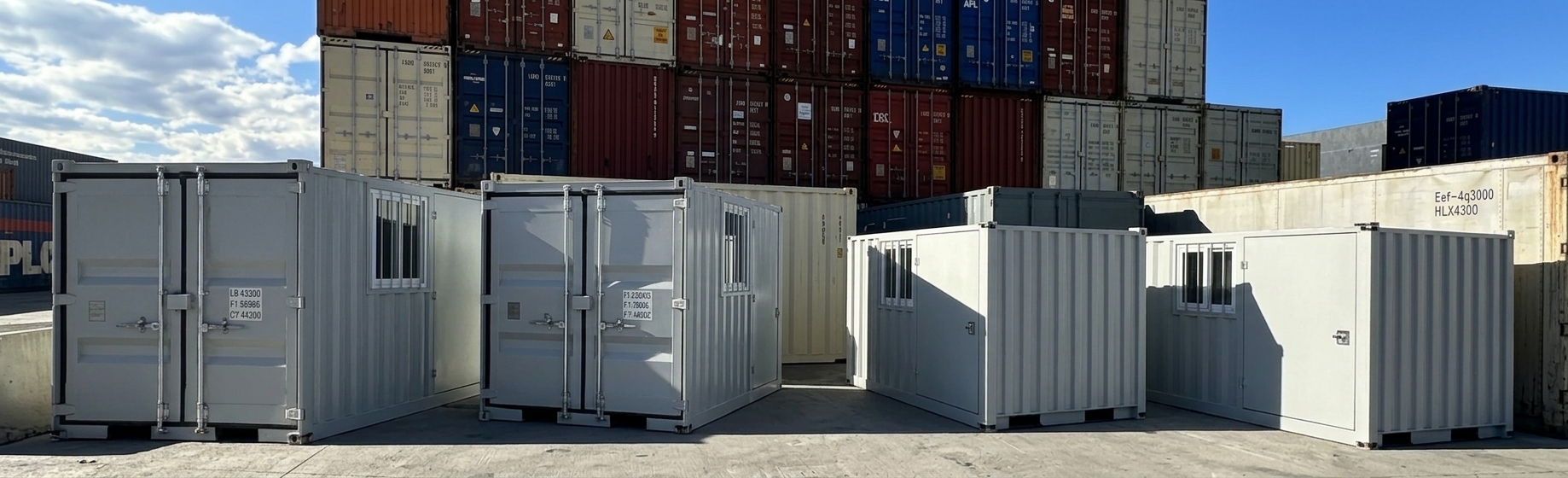
Choosing between a short-term container rental and a long-term rental depends on how long you need the storage space, what you’re storing, and how your project is expected to progress. While a short rental may seem like the obvious choice for a temporary need, keeping a container for several months can sometimes provide better value and convenience.
For homeowners, contractors, and businesses in Denver, understanding the differences between rental periods can help you choose an option that fits your budget without paying for storage you don’t need.
What Is a Short-Term Container Rental?
A short-term container rental is generally used when you need storage for a limited period. This can be useful for projects with a clear beginning and end, such as a home renovation, move, event, cleanup, or short construction project.
Common situations include:
- Home remodeling
- Moving between properties
- Garage or basement cleanouts
- Temporary construction storage
- Seasonal business inventory
- Landscaping projects
- Short-term equipment storage
If you already know when your project will finish, a short-term rental can help you avoid committing to storage for longer than necessary.
When Does Short-Term Rental Make Sense?
Short-term rental is usually a practical choice when your storage need is temporary, and your timeline is relatively predictable.
For example, if you’re renovating your kitchen and expect the project to take six to eight weeks, renting a container for that period may be more practical than purchasing one or signing up for a long-term storage arrangement.
What Is a Long-Term Storage Container Rental?
A long-term storage container rental is designed for customers who need additional storage space for an extended period.
Long-term rentals can be useful when there isn’t a definite end date for your storage needs. Businesses, contractors, property managers, and homeowners looking for storage container rental in Denver may all benefit from having a container available for several months or longer.
Typical long-term uses include:
- Ongoing construction projects
- Business inventory storage
- Equipment storage
- Warehouse overflow
- Long-term property renovations
- Seasonal inventory
- Contractor tools and materials
One of the biggest advantages is convenience. Instead of repeatedly moving items into and out of another storage facility, you can keep the container where you need it for the duration of the project.
Short-Term vs. Long-Term: Which Costs Less?
| Rental Period | Approximate Cost at $80/Month |
|---|---|
| 1 month | $80 |
| 3 months | $240 |
| 6 months | $480 |
| 12 months | $960 |
These figures are approximate rental calculations only. Actual rental costs can vary based on the container size, delivery requirements, location, rental terms, and other project-specific factors.
The important point is that a longer rental doesn’t automatically mean you’re getting a worse deal. If you genuinely need the container for six or twelve months, keeping the same container in place may be more convenient than arranging separate storage solutions.
What Factors Determine Your Total Rental Cost?
The monthly rental price is only one part of the overall cost. Before choosing a rental period, consider the complete arrangement.
Container Size
The size you choose affects the monthly rental rate. A smaller container may be sufficient for household belongings, while larger projects may require a 40-foot unit.
If you’re comparing sizes, you can also review our guides on 20ft storage container rental cost and 40ft container rental cost to better understand the approximate pricing for these options.
Delivery and Pickup
Transportation requirements can affect the overall expense. The distance to your property, site accessibility, and placement requirements may all influence delivery and pickup costs.
Rental Duration
The longer you keep a container, the more important it becomes to understand the rental terms. Ask what happens if your project finishes earlier or takes longer than expected.
Site Conditions
Your property needs to be suitable for container placement and delivery. Limited access, uneven ground, narrow entrances, or overhead obstacles can create additional delivery considerations.
When Is a Short-Term Rental the Better Choice?
A short-term rental is often the better option when you have a specific, temporary storage need.
Consider it if:
- Your project has a defined completion date.
- You only need storage for a few weeks or months.
- You don’t want to maintain a container after the project.
- You need temporary space during a move.
- You’re renovating a home and need somewhere to keep furniture.
- You need additional space for a short construction project.
The key is to avoid renting longer than necessary. If you know exactly when you’ll no longer need the container, a shorter rental period may keep your overall storage costs lower.
When Does Long-Term Rental Make More Sense?
Long-term rental can be a better choice when your storage needs are ongoing or unpredictable.
For example, a contractor may need a container throughout an extended construction project, while a business may need additional space for inventory throughout the year.
Long-term rental may be worth considering when:
- You need storage for six months or more.
- Your project doesn’t have a firm completion date.
- You need ongoing access to stored items.
- You have recurring inventory storage needs.
- You don’t have enough permanent storage space.
- You want to avoid purchasing a container.
In these situations, having a container already positioned at your property can save time and make daily operations easier.
Should You Rent Monthly or Buy a Container?
Rental isn’t the only option. Some customers eventually consider purchasing a container when they expect to need storage for many years.
Renting may be more practical when the need is temporary or uncertain. Buying can make more sense when you want long-term ownership and have a suitable location for the container.
Think about:
- How long you’ll need storage
- Your available budget
- Whether you want ownership
- Where the container will be placed
- How often you’ll access it
- Whether your storage requirements may change
There isn’t a universal right answer. The best option depends on your circumstances.
How to Save Money on Container Rental
Whether you choose short-term or long-term storage, a little planning can help you avoid unnecessary costs.
Choose the Right Size
Don’t automatically select the largest container. Estimate what you actually need to store before choosing a size.
Know Your Timeline
If your project is expected to last three months, use that as your starting point. At the same time, consider whether delays could extend the rental period.
Prepare the Delivery Site
Make sure the delivery area is accessible and ready before the container arrives. Proper preparation can help avoid unnecessary delivery complications.
Ask About All Costs
Don’t focus only on the advertised monthly price. Ask about delivery, pickup, rental terms, and any other applicable charges.
Organize Your Storage
Efficiently arranging boxes, equipment, and other belongings can help you make the most of the space you’re paying for.
How to Choose the Right Rental Period
A simple way to decide is to start with your expected project timeline.
If you need storage for a few weeks or a couple of months, short-term rental may be appropriate.
If you expect to need storage for six months, a year, or longer, a long-term arrangement may provide the consistency and convenience you need.
If you’re uncertain about your timeline, ask about flexible rental options before committing. That way, you can better understand what happens if your project takes longer than expected.
Conclusion
The choice between a short-term and long-term rental ultimately comes down to how long you need the storage, how predictable your project timeline is, and what works best for your budget. A short rental can be ideal for temporary projects, while a long-term arrangement can provide convenient ongoing storage for businesses, contractors, and homeowners.
If you’re comparing containers on rent in Denver, you can explore the available options through Complete Container Services’ rental page. You can also learn more about how different businesses use rental containers in Industries That Benefit Most From Shipping Container Rentals.
Frequently Asked Questions
Is short-term or long-term container rental cheaper?
It depends on your specific rental terms and how long you need the container. Short-term rental can be more economical when your storage need is brief, while long-term rental can be convenient for ongoing storage requirements.
How much does a monthly shipping container rental cost?
The cost depends on the container size and rental requirements. As an example, an approximately $80 monthly rate would equal about $240 for three months or $960 for twelve months.
Can I rent a storage container for just one month?
Rental availability and terms depend on the provider and the container you need. Contact the rental company to discuss your project timeline and available options.
Is long-term container rental good for businesses?
Yes. Businesses can use long-term rentals for inventory, equipment, supplies, and warehouse overflow when they need additional storage for an extended period.
Should I rent or buy a shipping container?
Renting can be a practical choice for temporary or uncertain storage needs. Buying may be more appropriate when you expect to use the container for many years and want ownership.
Can I extend my container rental if I need it longer?
Rental extension options depend on the rental agreement. If your project timeline changes, contact the provider as early as possible to discuss extending the rental.