
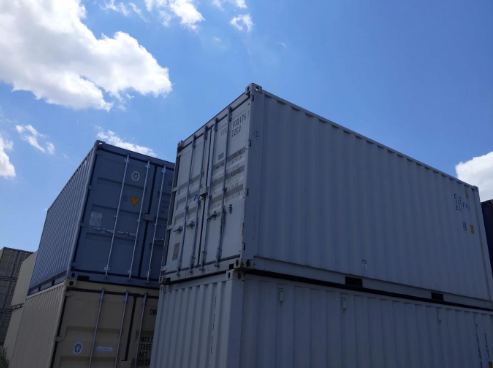
If you need extra storage space, a shipping container can be a practical alternative to renting a traditional storage unit or expanding an existing building. But one of the first questions people usually have is: how much does it cost to rent a shipping container each month?
The answer depends on several factors, including container size, condition, location, rental duration, delivery requirements, and the type of container you choose.
For anyone comparing monthly container rental costs, understanding the typical pricing by size can make it easier to estimate your budget and choose a container that actually fits your needs.
What Is the Average Monthly Cost of a Shipping Container?
Monthly rental prices can vary considerably depending on the market and the container provider. In Denver, monthly rates can generally range from around $80 to $150 or more per month for common storage container sizes, before considering delivery or other applicable charges.
For example, smaller containers typically cost less each month, while larger containers require a higher monthly rental rate.
Here is a general example of how monthly pricing can vary by size:
| Container Size | Approx. Monthly Rental |
|---|---|
| 10 ft | Around $90/month |
| 20 ft | Around $80/month |
| 40 ft | Around $110/month |
| 40 ft High Cube | Around $130/month |
| 45 ft | Around $140/month |
These figures are useful for budgeting, but actual container rental rates Denver customers see can vary based on availability, delivery distance, container condition, and rental terms.
How Container Rental Rates Vary by Size
Container size is one of the biggest factors affecting the monthly price. Choosing a larger container gives you more storage capacity, but you may not need to pay for extra space if your belongings can fit comfortably into a smaller unit.
10-Foot Container
A 10-foot container can work well when you need additional storage but have limited space available at your property.
It may be suitable for:
- Household belongings
- Small business inventory
- Tools and equipment
- Seasonal items
- Job-site materials
A smaller container can also be easier to place in areas where space for delivery and access is limited.
20-Foot Container
The 20-foot container is one of the most common choices for general storage. It provides considerably more space than a 10-foot container without requiring the footprint of a 40-foot unit.
If you’re researching 20ft container rental cost, compare the monthly rate with the amount of storage space you actually need. A 20-foot container can be useful for household moves, business inventory, equipment, and construction materials.
40-Foot Container
A 40-foot container is designed for larger storage requirements. It can hold substantially more inventory, equipment, materials, or household belongings than a 20-foot unit.
When comparing 40ft container rental cost, remember that the monthly rental isn’t the only consideration. You also need enough property space for delivery, placement, and access around the container.
40-Foot High Cube Container
A 40-foot high cube container offers additional interior height compared with a standard container.
That extra vertical space can be useful when storing taller items or when you want to make better use of shelving and vertical storage.
Because of its size and capacity, its monthly rental price is generally higher than smaller standard containers.
45-Foot Container
A 45-foot container provides even more storage capacity and may be useful for larger commercial or industrial storage requirements.
However, before choosing this size, make sure your property has enough room for safe delivery and placement.
Tip: Don’t automatically choose the largest container available. The right size is the one that provides enough usable space without creating unnecessary rental costs or placement problems.
What Affects Your Monthly Container Rental Cost?
Size is important, but it isn’t the only factor that determines what you pay.
Container Condition
Newer containers or containers in better condition may have different rental rates than older units. If you’re using the container for basic storage, you may not need the newest option.
Rental Duration
How long you plan to keep the container can also affect your overall cost.
For a temporary project, a short term container rental may make sense. Examples include home renovations, moving, construction projects, seasonal storage, or temporary business overflow.
If you need storage for an extended period, a long term storage container rental may be more appropriate. Looking at the total cost over several months can help you understand which option makes the most sense for your situation.
Delivery and Pickup
The monthly rental rate doesn’t always represent your total cost.
Depending on the provider and location, delivery and pickup may be charged separately. The distance to your property, site conditions, and accessibility can all affect delivery requirements.
Container Type
Standard containers, high cube containers, double-door containers, and other specialized options may have different pricing.
The best option depends on what you’re storing and how frequently you need to access it.
How Much Does a Shipping Container Cost to Rent in Denver?
If you’re comparing shipping container rental Denver costs, local pricing can vary depending on the size and availability of the container.
For example, a basic monthly rental might start around $80–$90 for certain smaller or standard containers, while larger options can reach $110–$140 or more per month.
It’s important to treat these numbers as general budgeting figures rather than a guaranteed quote. Delivery, container type, rental duration, and site requirements can change the final price.
If you’re trying to calculate the average storage container rental cost Denver customers may encounter, comparing several container sizes is a good starting point.
Monthly Rental vs. Other Storage Options
Before renting a container, consider how you’re going to use the space.
A shipping container can provide storage directly at your property, which can be convenient for construction projects, businesses, homeowners, contractors, and other users who need regular access to their belongings.
A traditional storage facility, on the other hand, requires you to transport your belongings to and from the facility. The better option depends on factors such as accessibility, available property space, security, and how frequently you need access.
The key is to compare the total cost and convenience rather than looking only at the advertised monthly price.
How to Choose the Right Container Size
Choosing the right size can help prevent you from paying for space you don’t need.
Start by making a list of everything you plan to store. Then consider:
- How much floor space the items require
- Whether items can be stacked
- Whether you need shelving
- How often you’ll access the container
- How much room is available on your property
- Whether you’ll add more items later
For example, a homeowner storing furniture during a renovation may need a different container than a contractor storing equipment and construction materials.
If you’re unsure, it can be helpful to speak with a container provider before deciding.
Are Larger Containers Always More Expensive Overall?
Not necessarily.
A larger container will generally have a higher monthly rental rate, but it can sometimes provide more storage capacity for the money.
Imagine that you need enough space for a large amount of equipment. Renting two smaller containers could potentially cost more than renting one appropriately sized larger container.
This is why it’s useful to compare the shipping container rental per month against the amount of usable storage space you receive.
The cheapest monthly rate isn’t always the lowest overall cost if you eventually need another container.
What Should You Ask Before Renting a Container?
Before agreeing to a rental, ask the provider about the complete cost rather than just the monthly rate.
Useful questions include:
- What is the monthly rental price?
- Is delivery included?
- Is pickup included?
- Is there a minimum rental period?
- What container sizes are available?
- Are there additional charges for difficult delivery locations?
- What condition will the container be in?
- Can the rental be extended if you need it longer?
Getting these details in advance makes it easier to compare different options.
Conclusion
The monthly price of a shipping container depends mainly on its size, condition, rental duration, delivery requirements, and location. Smaller containers may work well for limited storage, while 20-foot and 40-foot containers provide more room for larger household, commercial, or job-site needs.
Before choosing a container, compare the monthly rate with the amount of usable storage space and consider any delivery or pickup costs. This gives you a clearer picture of your actual storage budget.
If you’re comparing containers on rent in Denver, you can explore the available rental options and container sizes from Complete Container Services.
Frequently Asked Questions
1. How much does it cost to rent a shipping container per month?
Monthly prices vary by size, location, container condition, and rental terms. In Denver, common storage containers may range from around $80 to $150 or more per month before additional delivery-related charges.
2. What is the cheapest container size to rent?
Smaller containers generally have lower monthly rental rates. A 10-foot container can be a practical choice when you need less storage space and have limited room on your property.
3. Is a 20-foot container cheaper than a 40-foot container?
The monthly price of a 20-foot container is generally lower than a 40-foot container. However, the right choice depends on how much storage space you actually need.
4. Does container rental include delivery?
Not necessarily. Delivery and pickup arrangements vary by provider. Always ask whether transportation charges are included in the quoted monthly rental price.
5. Is long-term container rental cheaper?
A longer rental period may offer different pricing or terms depending on the provider. If you need storage for several months or longer, ask about long-term rental options and compare the total cost.
6. What size shipping container should I rent?
Choose a size based on the amount and type of items you need to store, available space at your property, and how often you’ll need access. A provider can also help you determine which size is appropriate for your situation.