
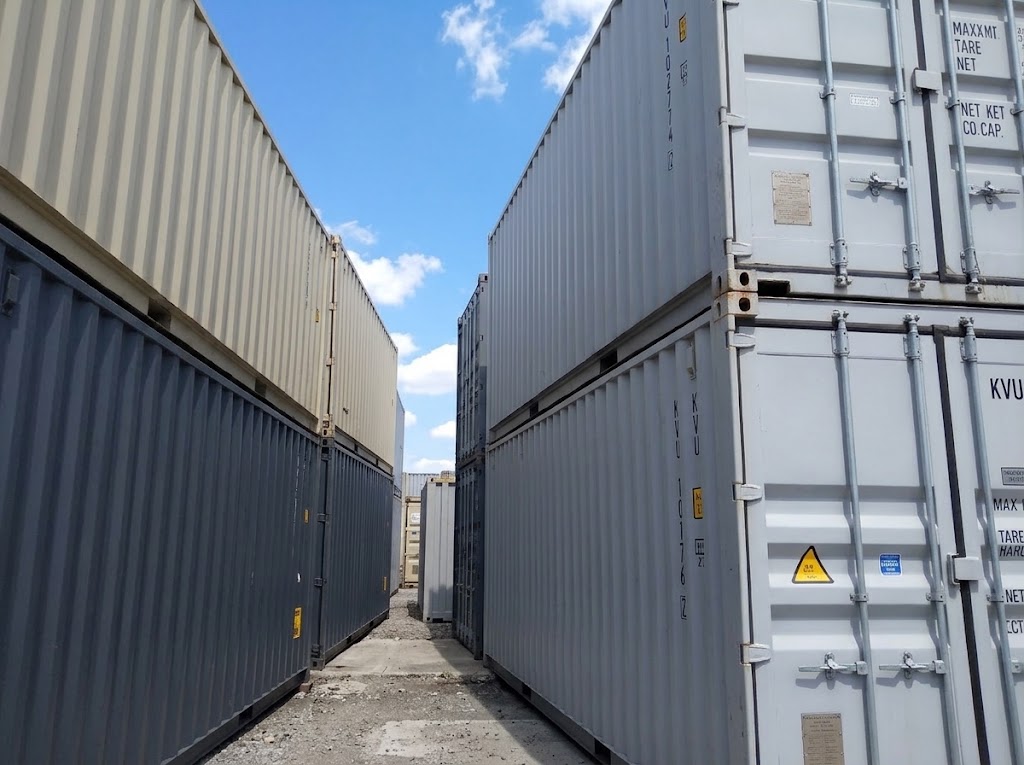
Renting a shipping container can be a convenient way to add secure storage for a home, business, or construction project. But when comparing rental options, looking only at the advertised monthly price can sometimes leave you with questions about the total cost.
Before signing a rental agreement, it is important to understand what is included, what may be charged separately, and which project details can affect your final bill. This guide explains common container rental hidden fees, potential delivery expenses, rental terms, and other charges to ask about before getting started.
What Are Hidden Fees in Container Rentals?
“Hidden fees” does not always mean a company is intentionally hiding costs. In many cases, customers simply see the base monthly rental rate first and don’t realize that other services may have separate charges.
For example, the advertised rental price may not represent every expense associated with delivering, placing, maintaining, or picking up a container.
Potential costs can include:
- Delivery charges
- Pickup charges
- Transportation fees
- Site-access charges
- Special placement requirements
- Extended rental charges
- Damage or repair charges
- Additional handling requirements
The exact charges depend on the provider, container, location, and rental agreement.
Does the Monthly Rental Price Include Delivery?
One of the first questions to ask is whether delivery is included in the quoted rental price.
A monthly rental rate generally refers to the cost of keeping the container for the agreed rental period. Delivery and pickup may be handled separately depending on the rental arrangement.
Delivery costs can be affected by:
- Distance to your property
- Container size
- Delivery equipment
- Site accessibility
- Placement requirements
- Local transportation conditions
If you’re comparing storage container rental fees, ask for a quote that clearly explains both the monthly rental and transportation costs.
Watch for Delivery and Pickup Charges
Delivery and pickup are two of the most important costs to clarify before signing an agreement.
A container may need specialized equipment to safely place it at your property. A larger container can also require more space and careful planning during delivery.
Pickup may have similar considerations.
For example, a property with a narrow entrance, low overhead clearance, uneven ground, or limited access may require additional planning.
Before scheduling delivery, ask:
- Is delivery included?
- Is pickup included?
- Are there distance-based charges?
- Is placement included?
- Are there additional charges for difficult access?
Getting these details in writing can make your total rental budget easier to understand.
Can Site Conditions Increase Your Rental Cost?
Your property can play a role in the overall cost of a container rental.
A delivery location should generally provide adequate space for both the container and the equipment needed to place it.
Potential site considerations include:
Access
The delivery vehicle needs a suitable route to the placement area.
Ground Conditions
A stable and reasonably level surface can make placement easier.
Overhead Clearance
Trees, wires, buildings, and other obstacles may affect delivery.
Placement Space
A 40-foot container needs substantially more room than a smaller container.
If you’re uncertain whether your property is suitable, discuss the location with the rental provider before scheduling delivery.
Does Container Size Affect the Total Cost?
Yes. Larger containers typically have higher rental rates and may have different delivery requirements.
For example, if you’re comparing a 20-foot and 40-foot unit, don’t look only at the monthly difference. Consider how much storage space you actually need and how the container will be delivered.
You can review the approximate pricing and considerations in these related guides:
Choosing the appropriate size from the beginning can help you avoid paying for unnecessary storage capacity.
What About Extra Rental Time?
Another cost to consider is what happens when you keep the container longer than originally planned.
Projects don’t always finish on schedule. A renovation can take longer than expected, construction schedules can change, or a business may suddenly need additional storage.
Before signing, find out:
- How the rental period is calculated
- What happens when the initial term ends
- Whether the rental automatically continues
- How additional months are billed
- Whether you need to provide advance notice for pickup
If you only need a container temporarily, you may also want to understand your options for a short term container rental.
How Much Should You Budget for Container Rental?
There is no single price that applies to every rental. Container size, rental duration, delivery location, and project requirements all matter.
For a broader understanding of pricing, see the guide to average storage container rental cost Denver.
You can also review information about monthly container rental cost to understand how rental expenses can add up over different time periods.
These resources can help you create a more realistic budget before contacting a rental provider.
Are There Charges for Damage?
Customers should also understand their responsibilities for the container during the rental period.
A shipping container is designed for durable storage, but it should still be used appropriately. Damage beyond normal wear and tear may potentially result in repair or other charges, depending on the rental agreement.
Before signing, check whether the agreement explains:
- Customer responsibilities
- Acceptable use
- Damage policies
- Repair responsibilities
- Prohibited modifications
- Condition requirements at pickup
Taking a few photos of the container when it arrives can also give you a record of its initial condition.
Can You Avoid Unexpected Rental Charges?
You can reduce surprises by asking for a complete quote before committing.
A useful checklist includes:
- Ask for the monthly rental rate.
- Confirm delivery charges.
- Confirm pickup charges.
- Ask whether placement is included.
- Understand the rental term.
- Ask about extending the rental.
- Review damage responsibilities.
- Check whether site conditions can affect delivery.
- Ask about any additional services.
- Read the rental agreement before signing.
This approach makes it easier to compare different shipping container rental charges on an apples-to-apples basis.
What Should You Ask Before Signing a Rental Agreement?
Don’t hesitate to ask questions if something on the quote isn’t clear.
A few useful questions include:
“What is my total estimated cost?”
This is more useful than asking only about the monthly rate.
“Is delivery included?”
Make sure you understand whether transportation is part of the quoted price.
“What happens if I need the container longer?”
Knowing the extension terms ahead of time can prevent surprises later.
“Are there any site requirements?”
Ask whether your property needs specific access, clearance, or ground conditions.
“What happens when I am ready for pickup?”
Understand how much notice is required and whether pickup has a separate charge.
How to Compare Container Rental Quotes
When comparing rental companies, don’t automatically choose the quote with the lowest advertised monthly price.
Instead, compare the complete rental arrangement.
| Cost Consideration | What to Ask |
|---|---|
| Monthly rental | What is the base rate? |
| Delivery | Is transportation included? |
| Pickup | Is pickup included or separate? |
| Placement | Is placement included? |
| Rental term | What is the minimum term? |
| Extensions | What happens if I need more time? |
| Damage | What are the customer’s responsibilities? |
| Site requirements | Are there additional placement considerations? |
This gives you a clearer picture of the actual cost rather than comparing one number.
Conclusion
Understanding the full cost before signing a rental agreement can help you avoid unexpected expenses. Instead of comparing only the advertised monthly rate, look at delivery, pickup, rental duration, site requirements, container size, and the terms of the agreement.
If you’re researching storage container rental in Denver, reviewing the complete pricing and rental requirements beforehand can make the process much easier. For customers looking for portable storage containers for rent, you can explore the available rental options and request current pricing through Complete Container Services’ rental page.
Frequently Asked Questions
1. What are the most common hidden fees for container rentals?
Potential additional costs can include delivery, pickup, difficult site access, special handling, extended rental periods, and damage-related charges. The exact costs depend on the rental agreement and project requirements.
2. Does the monthly container rental price include delivery?
Not necessarily. Delivery arrangements vary, so always ask whether transportation and placement are included in the quoted monthly price.
3. Can site conditions affect container delivery costs?
Yes. Limited access, difficult ground conditions, overhead obstacles, or other placement challenges may affect delivery requirements and potentially the overall cost.
4. Can I be charged if I keep the container longer?
Additional rental charges may apply if you keep the container beyond the agreed rental period. Ask about extension terms before signing.
5. Are damage charges included in storage container rental fees?
Damage policies vary by rental agreement. Review the condition requirements and customer responsibilities before taking possession of the container.
6. What should I ask before renting a storage container?
Ask about the monthly rate, delivery, pickup, rental term, extension policy, site requirements, damage responsibilities, and any additional services or charges.